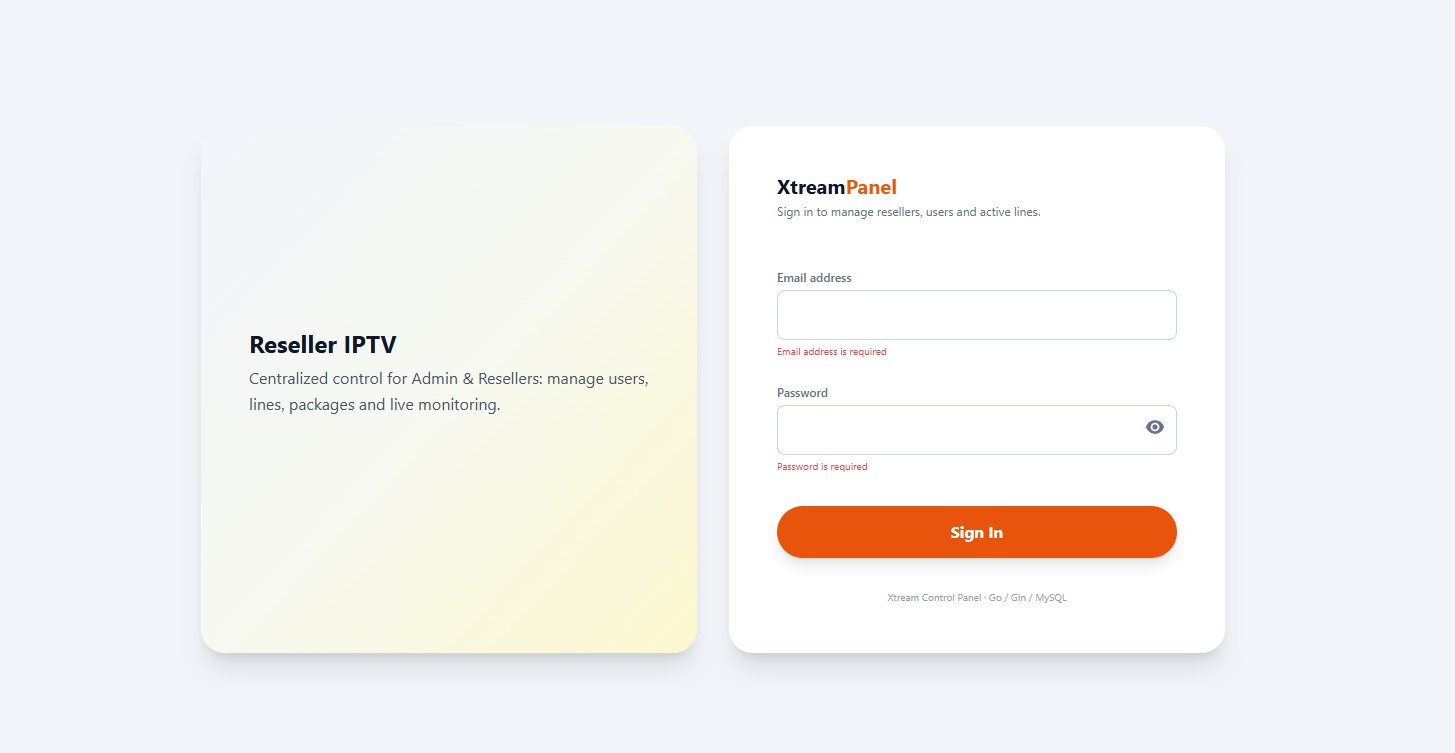
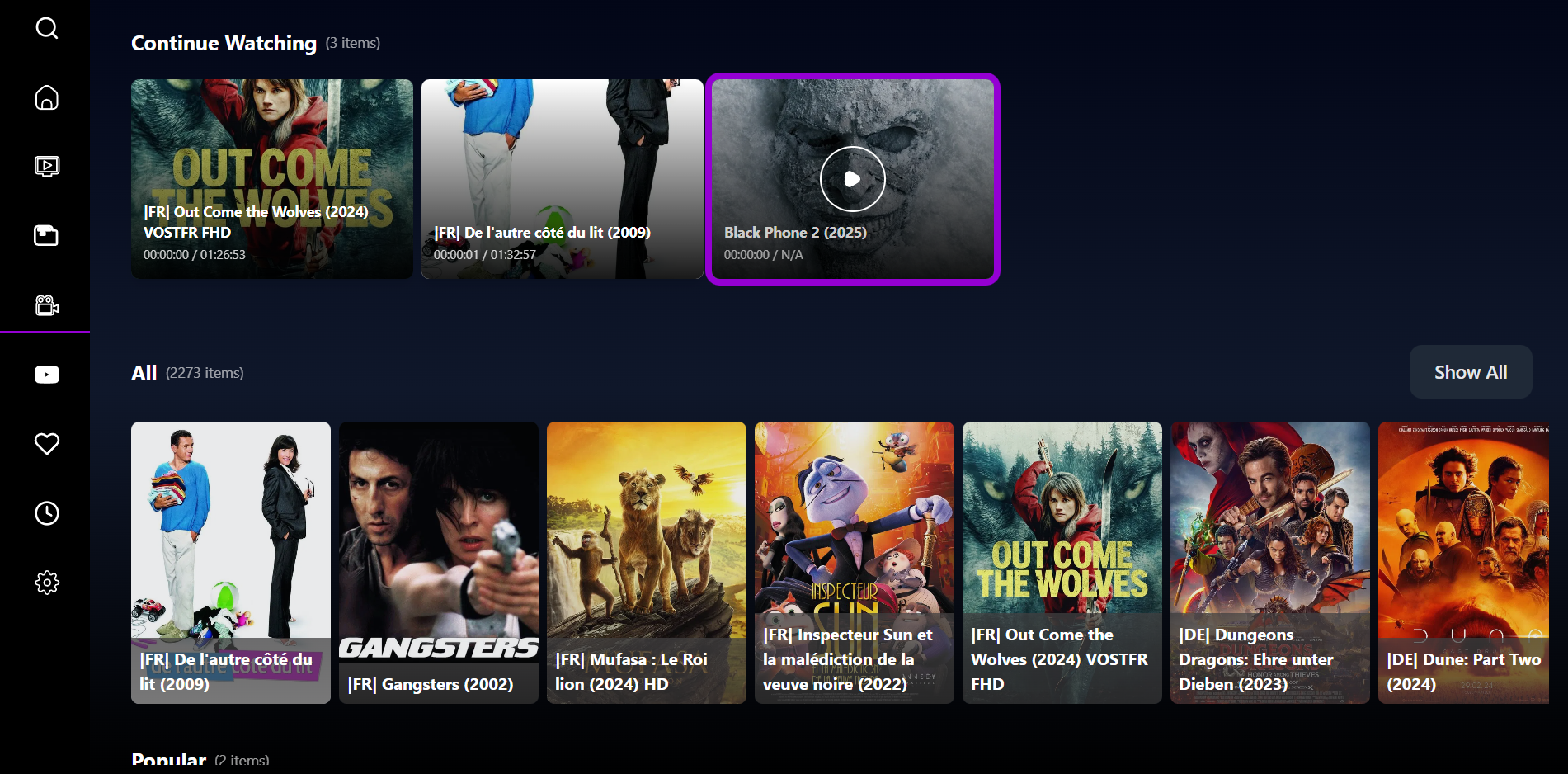
Schedules and playlists
Model program timing, gaps, asset availability and schedule changes with clear operator checks before transmission.
Design channel playout workflows connecting media libraries, schedules, graphics, live inputs and operator monitoring.
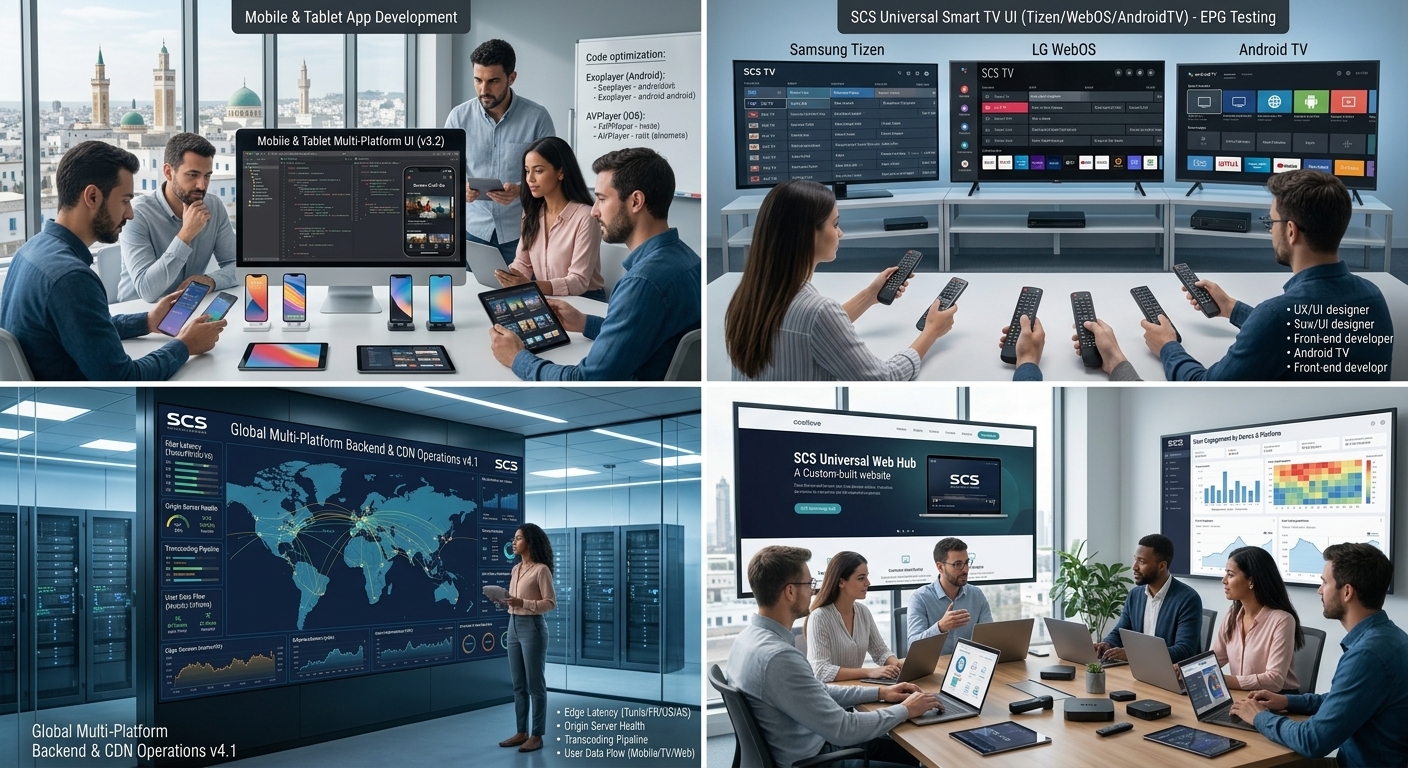
Streaming platform overview
Content, playback and delivery · Concept illustration
Who this is for
Technical approach
Design channel playout workflows connecting media libraries, schedules, graphics, live inputs and operator monitoring. Define the device or workflow boundaries and verify representative inputs before expanding the implementation.
Project capabilities
Model program timing, gaps, asset availability and schedule changes with clear operator checks before transmission.
Validate codecs, durations, aspect ratios, audio and graphics assets against the channel delivery specification.
Define switching rules, fallback content and responsibility for upstream live-source availability.
Expose current and upcoming programming, source errors and recovery actions in the operator dashboard.
Connect the media library, scheduling, EPG and delivery handoff through documented interfaces and event logs.
Project process
Agree on audience, supported devices or workflows, service ownership, media samples and measurable acceptance checks.
Document the operator or viewer journeys, backend contracts and failure behavior before implementation.
Validate a representative end-to-end journey with real integrations before completing the remaining capabilities.
Exercise agreed cases, document operating procedures and prepare release materials and maintenance responsibilities.
Questions
Share target devices or delivery specifications, example content, API documentation, account requirements and launch constraints. We use these to define a testable first release.
Yes, where documented interfaces and the required permissions are available. Discovery establishes data ownership, authentication, rate limits and failure handling before committing to an integration.
No. Playback, DRM, media formats, store requirements and hardware performance vary. The supported matrix and acceptance criteria are agreed and tested for the specific project.
Explore the connected platform work and implementation notes.
Technical references
Share your target devices, product requirements and existing systems to scope the next step.